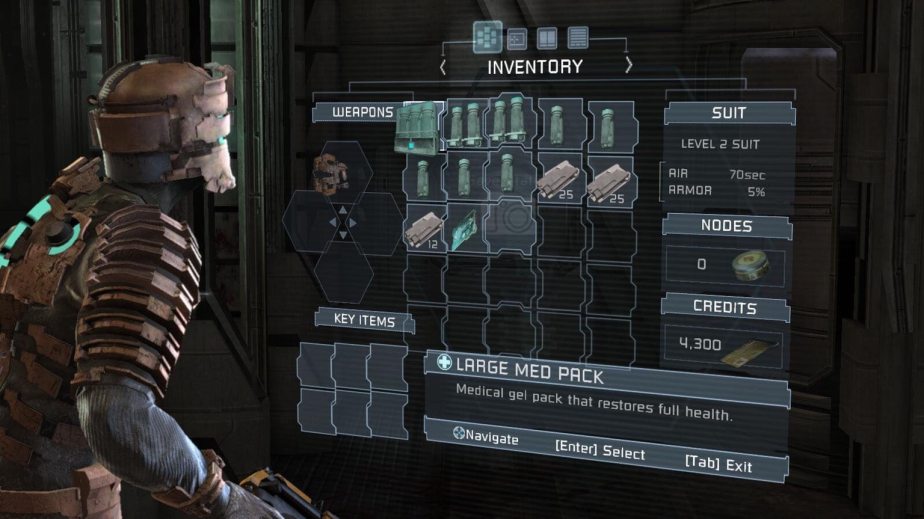
Diegesis in Grim Fandango and Video Games

Diegesis in Video Games refers to the Narrative elements within the game itself. There are then Intra-Diegetic and Extra-Diegetic. Intra-Diegetic refers to elements of the game that belong to the game’s world, examples of this are the Characters themselves, the environment and items, these are things that can be perceived by the Game’s Characters. Whereas Extra-Diegetic refers to the elements of the game that don’t belong to the world itself, such as menus, music and the HUD, these are things that can NOT be perceived by the Game’s Characters. These elements do not always stick within these boundaries though.

I stumbled across an article by Gregory Weir on Gamasutra.com from November 2008 exploring the Diegesis of the LucasArts’ game Grim Fandango, the article itself can be found here. This week I’ll be posting a response to said article.

Weir begins the article by mentioning the split in the world inhabited by a Game’s Characters and the world that is shown to the player. The way this is shown is by using Intra-Diegetic and Extra-Diegetic elements. Weir explains the term Diegesis within a Film context by mentioning Music specifically. If a character directly plays a certain song, be that via instrument or player of some sort, then that is Diegetic music. Whereas if it is moreso background music then that would be non-diegetic.

Weir goes on to mention how Diegesis works in Video Games. As I previously stated there are many different attributes of Games that can be shown as Diegetic. It is these attributes that contribute to, or take away from, the immersion that any developer may be trying to achieve.

Many games use Diegesis to add to this immersion factor. The ‘Fallout Series’ features an item known as a ‘Pip Boy’ a device in the game used to manage inventory and character traits, now this is only Diegetic because the character raises their arm when the player presses the Inventory button. It is this acknowledgement that makes the action Diegetic. Much like in ‘Goldeneye’ for the N64, Bond raises his arm to look at his watch which then acts as a pause menu among other things. Both of theses are examples of Diegetic attributes.

Pip Boy Usage in ‘Fallout 4’ by the Player Character

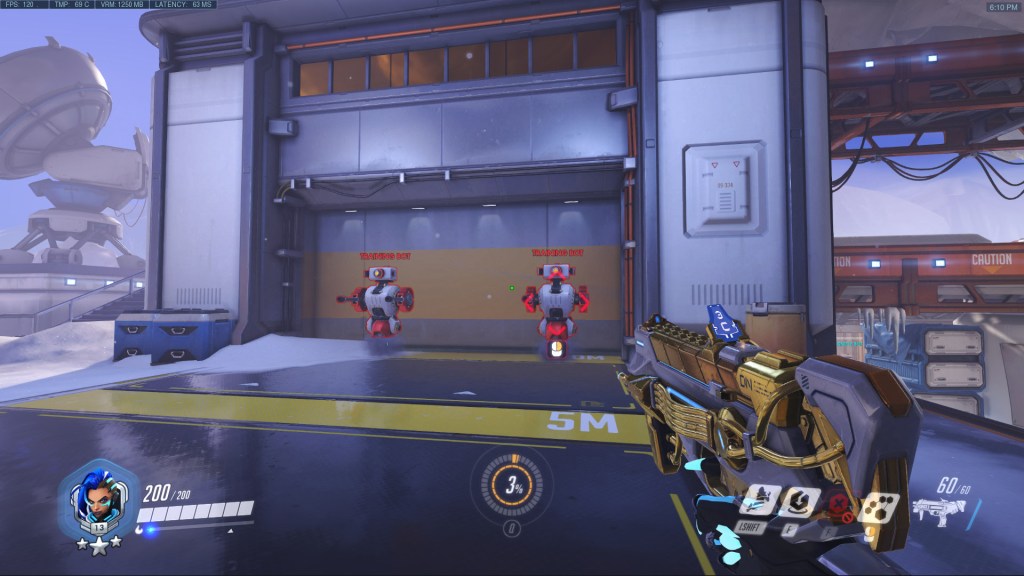
Another example is within the Blizzard game ‘Overwatch’. Characters that use guns sometimes have visual markers on their guns that show their current ammo count. While this isn’t a necessary addition due to the game’s HUD also having a more traditional ammo count featured in the bottom right hand corner, it goes to show the character’s personalities more than otherwise shown. With ‘Overwatch’ being an FPS game the player does not see much of the character they are playing besides their hands and their weapon for the most part. An example can be seen below with Sombra’s weapon. Most skins feature a hexadecimal counter that represents her current ammo count, this plays into her character trait being a hacker of sorts.
In the case of LucasArts’ ‘Grim Fandango’, the main example of Diegetic usage is the inventory. Weir writes that the player character, Manny, will individually pull any given item out of his coat as the player goes through the inventory. Manny will put each one away as well before pulling out the next. This is a great example of Diegetic techniques as it involves the player character in an event that normally only involves the player.
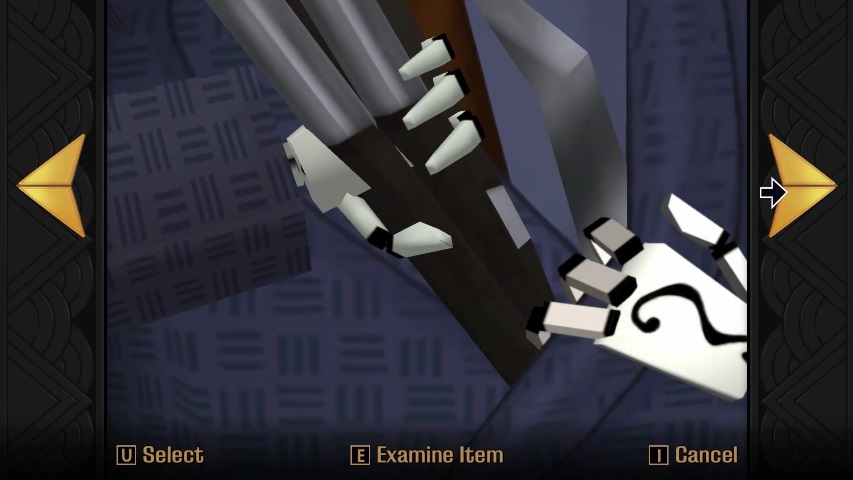
Grim Fandango Inventory example, Manny pulling out his Scythe that he “Likes to keep where his heart was”

Diegesis is not always a constant plus in Video Games. To stick with Grim Fandango for a minute, the inventory system that is present isn’t the most user friendly. Weir also touches on the fact that during some parts of the game Manny’s inventory may be packed to the brim with items so having to sort through every single one individually is awfully time consuming and is not very ergonomic for the player. It is also more than likely working against it’s intended purpose of bringing the player into the Game’s World and is instead pushing them away somewhat.

Another example of Diegesis working against the player is in the most recent ‘Animal Crossing’ release. ‘Animal Crossing: New Horizons” features both an inventory and crafting system. At maximum the player can have 40 different items in their inventory and any number of items in their house storage. But when it comes to crafting the player MUST have the required items in their inventory to craft anything. This, again, works against the player if they are crafting within their own home. It just makes sense from a gameplay point of view for a crafting area within the same place as the storage to be able to interact with said storage. This would remove the middle man, this being the player action of removing things from storage to craft, completely, allowing for a more streamlined experience.

As I mentioned earlier, Diegesis is a method of bringing the player closer to the game, to immerse the player in the game’s world. To bring the player into that “Magic Circle”. Weir speaks about how the developer can remove non-Diegetic elements to “make it easier for the player to lose herself in the game”. That being said, Weir also prods into the idea that there can be high-level immersion and player investment in a game that is mostly non-Diegetic.

In the case of ‘Grim Fandango’, the game definitely would have been more player-friendly had it utilised a more conventional inventory system. Weir can be quoted saying “In this case, immersion would probably be restored by using an easier but less Diegetic inventory system. This would undermine Grim Fandango’s goal of creating a cinematic experience, but it would make the game less frustrating and easier to use.”.

Diegesis is an important thing for Developers to consider when it comes to creating a Game as a user experience. Especially the thought of when it is best to use it, should this attribute be Diegetic or non-Diegetic? That is a question that the Developer should be thinking about.

That’s it for this article, thank you once again for reading! I’ll be back soon with another article about Procedural Generation in Video Games.

Thanks again for Reading!
– Nathan “Naff” Hibbert

Starting Up

Who am I?

Nathan Hibbert

I am Nathan Hibbert, a 22 year old Game Design student at JMC Academy. I’ve been an avid consumer of Video Games since a very young age, often using it as an escape from my day to day life. I mostly play RPGs, Tactical FPS’ and Story driven Games.

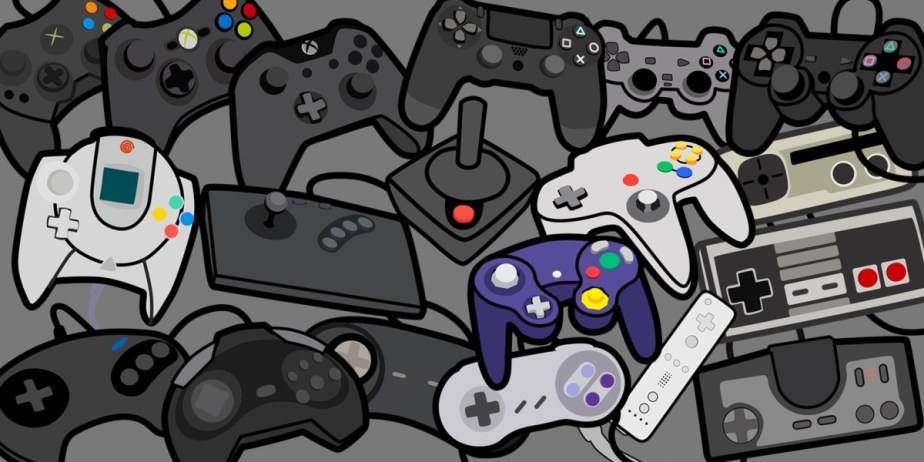
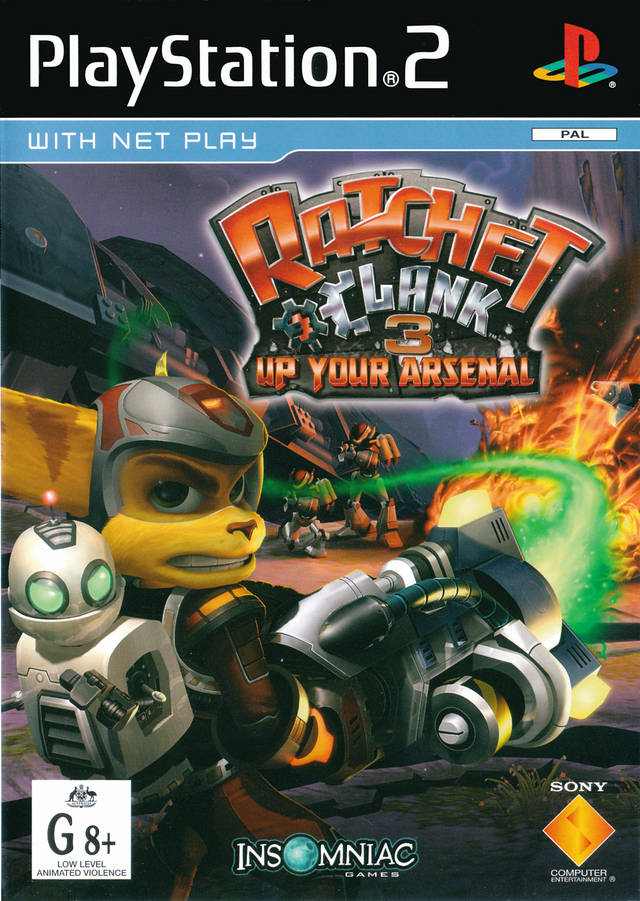
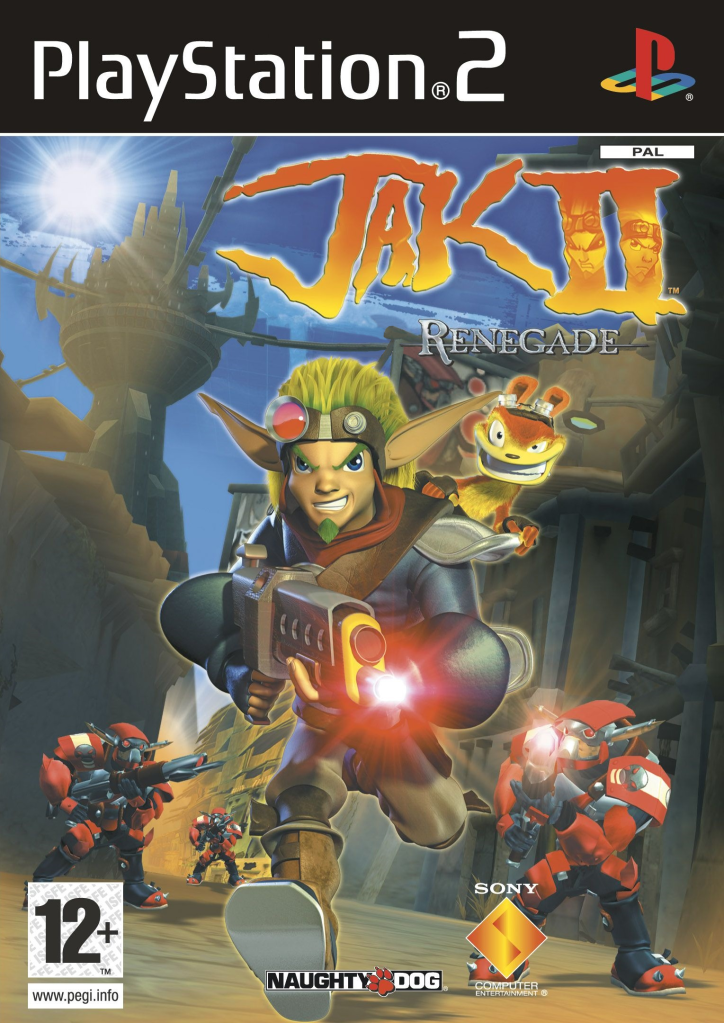
As young as 3 I was playing Video Games, I would often play the Fighting Game Tekken on my old Playstation 1. This eventually led to me being gifted a Playstation 2 at age 9 and being immersed in the worlds of the Action Platformers in the Jak and Daxter Series, the Ratchet and Clank Series, the Tekken Series and even the Racing Games of the Need for Speed Series.

I would eventually go out to own a Playstation 3, Playstation 4, Nintendo 3DS, Nintendo Switch and playing extensively on PC.

What in Game Design Interests Me?

As young as the age of 8 or 9 I would always take time to write out my own stories and characters. I thoroughly enjoyed creating worlds with their own lore and characters with their own backstories and creating an attachment to them. This interest stemmed from the Video Games I played, such as the Jak and Daxter series, as well as the Films, such as Star Wars, and Books, such as Skulduggery Pleasant, that I exposed myself to.

I would write stories involving many different genres and many different characters. I dabbled in Fantasy, Horror and even Romance stories, always taking inspiration from some form of media that I was currently invested in.

I would love to create my own worlds and characters so that many other people can get the same enjoyment I do in getting lost in a world and story. To me, there is almost nothing more satisfying.

What do I Care for in a Game?

When I’m looking to purchase a game I look for both an interesting Game Play Loop (GPL) as well as a story I can get well invested in. Depending on what I’m craving at the time I can even be looking for something that lets me play with other people, I have always loved playing multiplayer games with both people I know and people I don’t. In the last few years games that have ticked all, or some of, the aforementioned boxes include:

– The Dark Souls Series
– Rainbow Six: Siege
– Overwatch
– Stardew Valley
– God of War PS4
– Pokemon
– The Borderlands Series

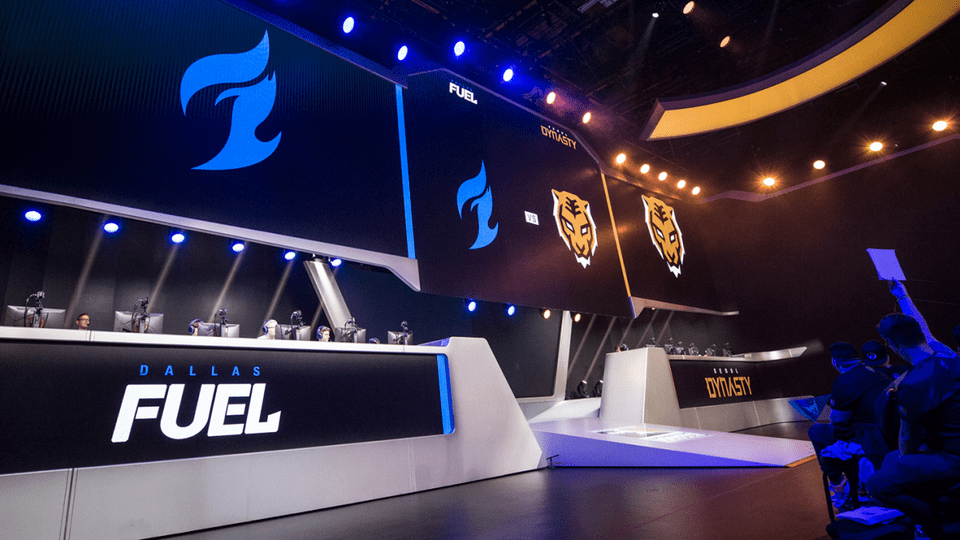
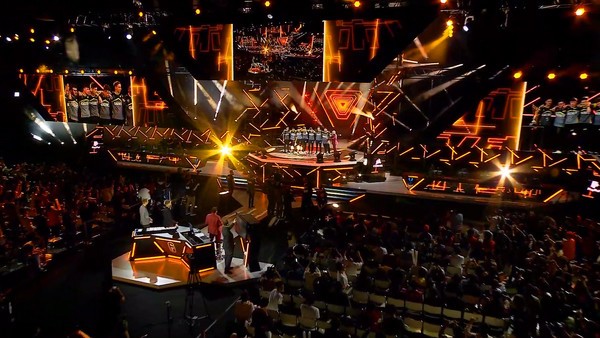
Another thing I look for in a game, specifically in Competitive Multiplayer games, is an eSports scene. After picking up Overwatch in 2016 I became invested in it’s Professional scene, even more so after the launch of the Overwatch League (OWL) in 2018. I currently follow the Los Angeles Valiant, Dallas Fuel and the Toronto Defiant in OWL. Another game I am somewhat invested in eSports wise is Rainbow Six: Siege.

What is my Favourite Game?

Asking someone what their favourite game is is like asking someone what their favourite food or drink is, there are just so many amazing options that it’s sometimes hard to pin down an answer. Despite that I do have a clear winner as my Favourite Game. That being, Dark Souls.

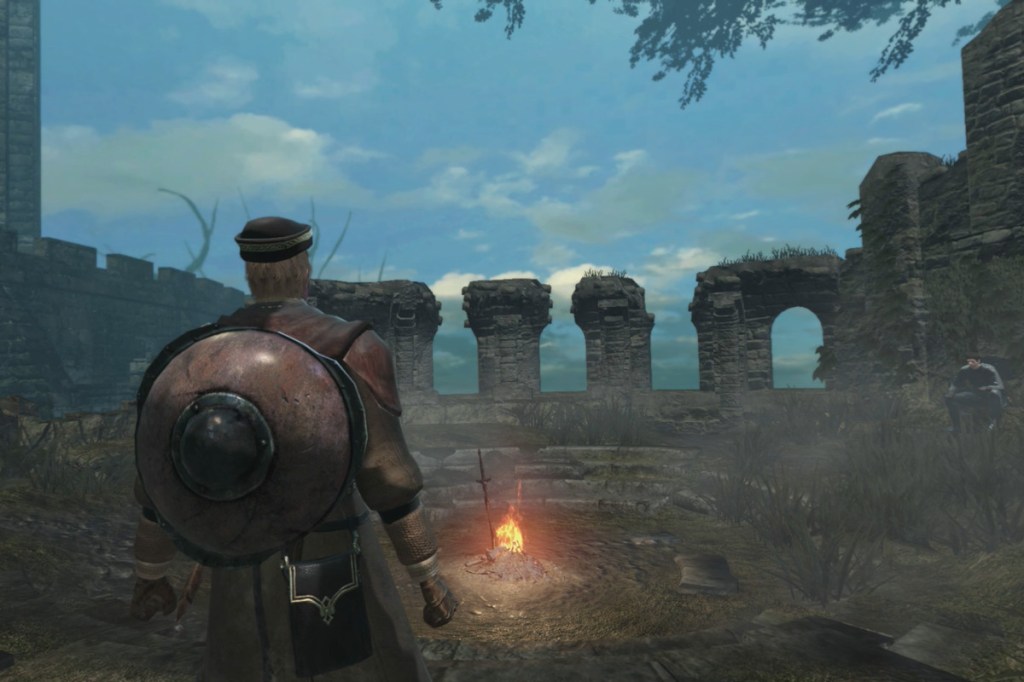
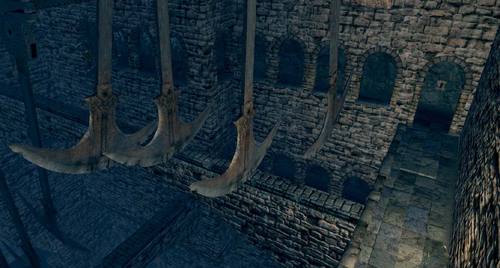
Dark Souls is a Dark Fantasy RPG game from Japanese developer, FromSoftware. It tells the story of a replaceable character somehow defeating dangerous creatures and areas, and attaining amazing feats. Dark Souls has a Game Play Loop that is reminiscent of old Playstation 1 games, minimal save points, tough enemies and rewarding progression. As the player you have immense choice in how you attack any given problem, an outstanding amount of weaponry and equipment to choose from and plenty of mechanics that allow, or disallow, certain play styles.

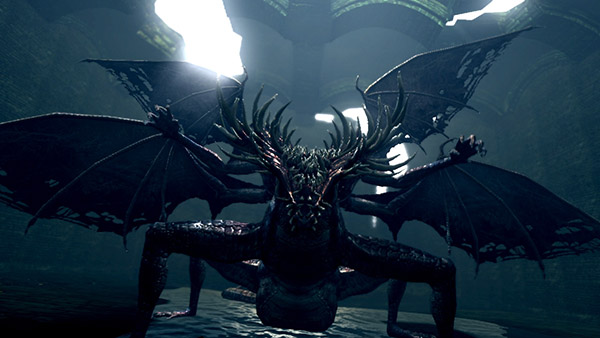
The Story of Dark Souls is very…Convoluted. You play as a human that has been stricken by the Curse of the Undead. This curse forces a person to come back to life at a Bonfire upon death, this will occur infinitely until said person goes insane and will attack anyone and everything it sees. As the player you must go around and defeat monstrous enemies and bosses to change the world for better, or worse, your choice. The story itself is not told through conventional methods, such as cut-scenes and dialogue dumps. It is instead told through small amounts of these things and mostly told through Item Descriptions on weapons and equipment. These descriptions develop the world in a way usual methods would not, it shows the world’s history and characters in less obvious way. You could play and finish the entire game without knowing what you did or why you did it. This is why I LOVE Dark Souls, what is explicitly told is very vague and allows for the player to come to their own conclusions on events and reasoning’s, this allows each player to possibly have their own interpretation and experience with the game.

Dark Souls also has an extensive multiplayer factor as well. The player can summon other players to help them with tough areas or drop helpful items, this, once again, gives each player a unique experience and gives struggling players the help they need to defeat strong bosses. On the other hand it also has an invasion system, where a player can invade another player’s world and hunt them down for their own spoils. This can be frustrating at times, but also very rewarding and fun at others.

If that isn’t enough to get you interested here is two reviews that may help you better understand Dark Souls and even might get you to play one of the most rewarding games I have ever played:

Game Informer Review (Oct 3rd 2011): https://www.gameinformer.com/games/dark_souls/b/ps3/archive/2011/10/03/dark-souls-review-dead-and-loving-it.aspx
IGN Review ( Oct 1st 2011):
https://au.ign.com/articles/2011/09/30/dark-souls-review

Dark Souls was released October 4th 2011 for PS3, Xbox 360 and was released for PC August 23rd 2012
A remaster named Dark Souls: Remastered was released May 24th 2018 for PS4, Xbox One and PC. It was also released for Nintendo Switch on October 19th 2018.

That’s it Folks!

Thanks for reading my first blog post and I hope you know more about me and my relationship with Video Games. I will be updating this at least weekly with plenty of other Gaming related content.

Thanks again!

– Nathan “Naff” Hibbert

Nathan Hibbert (Left) and a friend at the Overwatch World Cup 2017 in Sydney, Aus.