Diegesis in Grim Fandango and Video Games

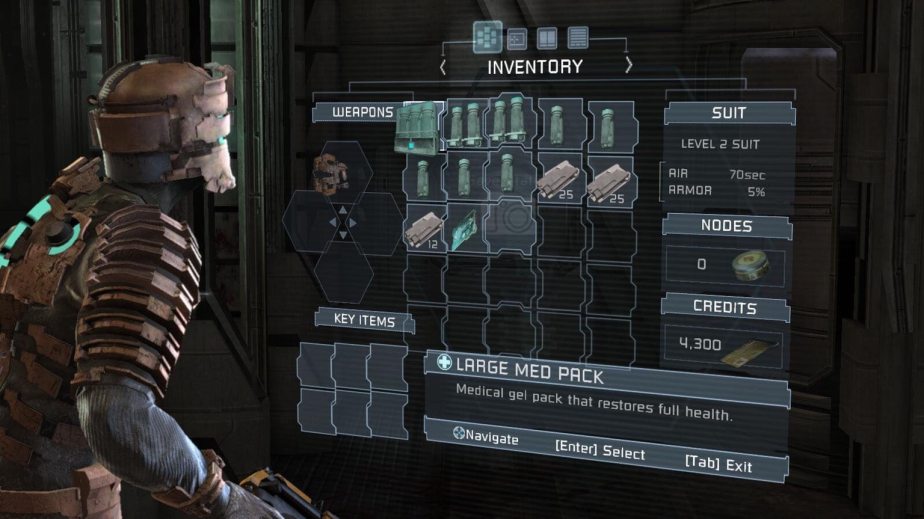
Diegesis in Video Games refers to the Narrative elements within the game itself. There are then Intra-Diegetic and Extra-Diegetic. Intra-Diegetic refers to elements of the game that belong to the game’s world, examples of this are the Characters themselves, the environment and items, these are things that can be perceived by the Game’s Characters. Whereas Extra-Diegetic refers to the elements of the game that don’t belong to the world itself, such as menus, music and the HUD, these are things that can NOT be perceived by the Game’s Characters. These elements do not always stick within these boundaries though.

I stumbled across an article by Gregory Weir on Gamasutra.com from November 2008 exploring the Diegesis of the LucasArts’ game Grim Fandango, the article itself can be found here. This week I’ll be posting a response to said article.

Weir begins the article by mentioning the split in the world inhabited by a Game’s Characters and the world that is shown to the player. The way this is shown is by using Intra-Diegetic and Extra-Diegetic elements. Weir explains the term Diegesis within a Film context by mentioning Music specifically. If a character directly plays a certain song, be that via instrument or player of some sort, then that is Diegetic music. Whereas if it is moreso background music then that would be non-diegetic.

Weir goes on to mention how Diegesis works in Video Games. As I previously stated there are many different attributes of Games that can be shown as Diegetic. It is these attributes that contribute to, or take away from, the immersion that any developer may be trying to achieve.

Many games use Diegesis to add to this immersion factor. The ‘Fallout Series’ features an item known as a ‘Pip Boy’ a device in the game used to manage inventory and character traits, now this is only Diegetic because the character raises their arm when the player presses the Inventory button. It is this acknowledgement that makes the action Diegetic. Much like in ‘Goldeneye’ for the N64, Bond raises his arm to look at his watch which then acts as a pause menu among other things. Both of theses are examples of Diegetic attributes.

Pip Boy Usage in ‘Fallout 4’ by the Player Character

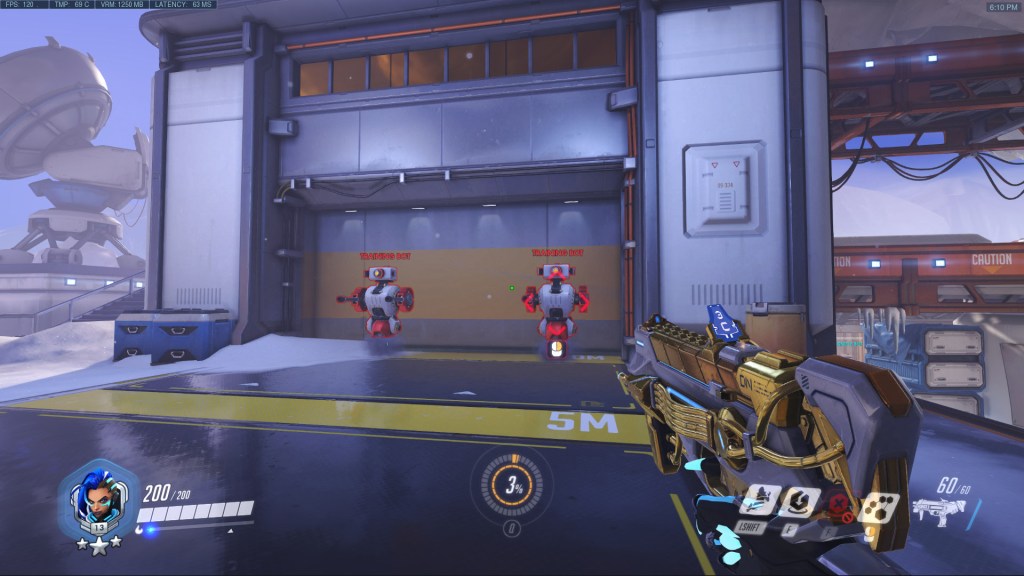
Another example is within the Blizzard game ‘Overwatch’. Characters that use guns sometimes have visual markers on their guns that show their current ammo count. While this isn’t a necessary addition due to the game’s HUD also having a more traditional ammo count featured in the bottom right hand corner, it goes to show the character’s personalities more than otherwise shown. With ‘Overwatch’ being an FPS game the player does not see much of the character they are playing besides their hands and their weapon for the most part. An example can be seen below with Sombra’s weapon. Most skins feature a hexadecimal counter that represents her current ammo count, this plays into her character trait being a hacker of sorts.
In the case of LucasArts’ ‘Grim Fandango’, the main example of Diegetic usage is the inventory. Weir writes that the player character, Manny, will individually pull any given item out of his coat as the player goes through the inventory. Manny will put each one away as well before pulling out the next. This is a great example of Diegetic techniques as it involves the player character in an event that normally only involves the player.
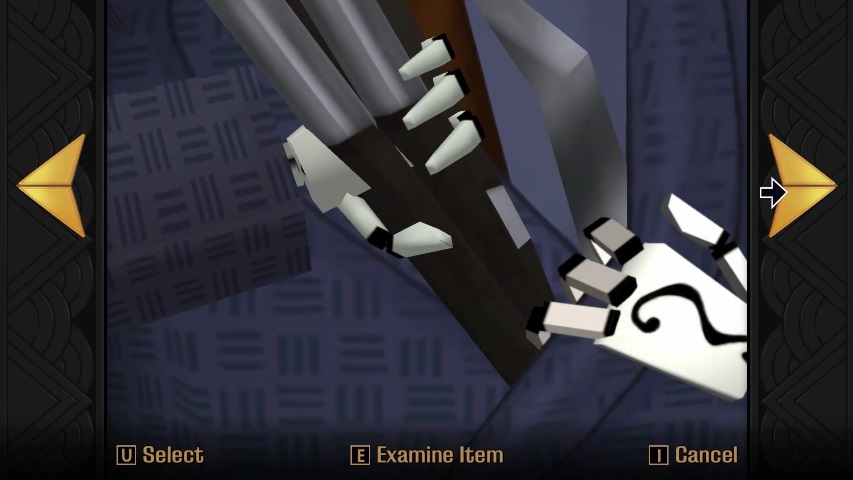
Grim Fandango Inventory example, Manny pulling out his Scythe that he “Likes to keep where his heart was”

Diegesis is not always a constant plus in Video Games. To stick with Grim Fandango for a minute, the inventory system that is present isn’t the most user friendly. Weir also touches on the fact that during some parts of the game Manny’s inventory may be packed to the brim with items so having to sort through every single one individually is awfully time consuming and is not very ergonomic for the player. It is also more than likely working against it’s intended purpose of bringing the player into the Game’s World and is instead pushing them away somewhat.

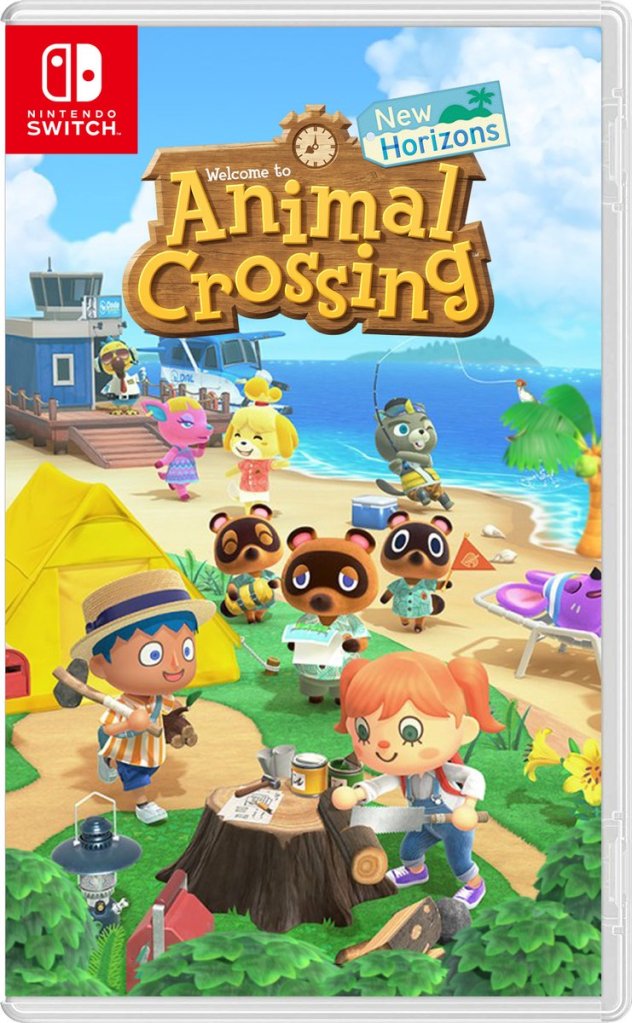
Another example of Diegesis working against the player is in the most recent ‘Animal Crossing’ release. ‘Animal Crossing: New Horizons” features both an inventory and crafting system. At maximum the player can have 40 different items in their inventory and any number of items in their house storage. But when it comes to crafting the player MUST have the required items in their inventory to craft anything. This, again, works against the player if they are crafting within their own home. It just makes sense from a gameplay point of view for a crafting area within the same place as the storage to be able to interact with said storage. This would remove the middle man, this being the player action of removing things from storage to craft, completely, allowing for a more streamlined experience.

As I mentioned earlier, Diegesis is a method of bringing the player closer to the game, to immerse the player in the game’s world. To bring the player into that “Magic Circle”. Weir speaks about how the developer can remove non-Diegetic elements to “make it easier for the player to lose herself in the game”. That being said, Weir also prods into the idea that there can be high-level immersion and player investment in a game that is mostly non-Diegetic.

In the case of ‘Grim Fandango’, the game definitely would have been more player-friendly had it utilised a more conventional inventory system. Weir can be quoted saying “In this case, immersion would probably be restored by using an easier but less Diegetic inventory system. This would undermine Grim Fandango’s goal of creating a cinematic experience, but it would make the game less frustrating and easier to use.”.

Diegesis is an important thing for Developers to consider when it comes to creating a Game as a user experience. Especially the thought of when it is best to use it, should this attribute be Diegetic or non-Diegetic? That is a question that the Developer should be thinking about.

That’s it for this article, thank you once again for reading! I’ll be back soon with another article about Procedural Generation in Video Games.

Thanks again for Reading!
– Nathan “Naff” Hibbert

The Current World Climate and Animal Crossing: New Horizons

The world we live in is taking a turn for the weird and scary. With the constant threat of COVID-19, or Coronavirus, threatening the World’s very Social structure, almost everyone is being told to hunker down inside their homes and prepare for the long haul, I myself have had to take time away from my University Campus and attend classes at home for an unspecified amount of time due to the Virus. Most people just want to get away from all this widespread fear and panic, with whatever means available to them.

Funnily enough, a game that allows a person to leave their everyday (or not so everyday but more panic inducing) lives. Animal Crossing: New Horizons was released on the 20th of March 2020, in the height of the COVID-19 Pandemic, gifting the people who are suffering from these effects a way to escape the wave of fear that’s spreading across the Planet.

The game presents this as an opportunity from returning character and Loan Shark, Tom Nook. Tom has a package that allows a person to get away from their current life and start life a-new upon a deserted island. Building it from the ground up to a lively and community driven town.

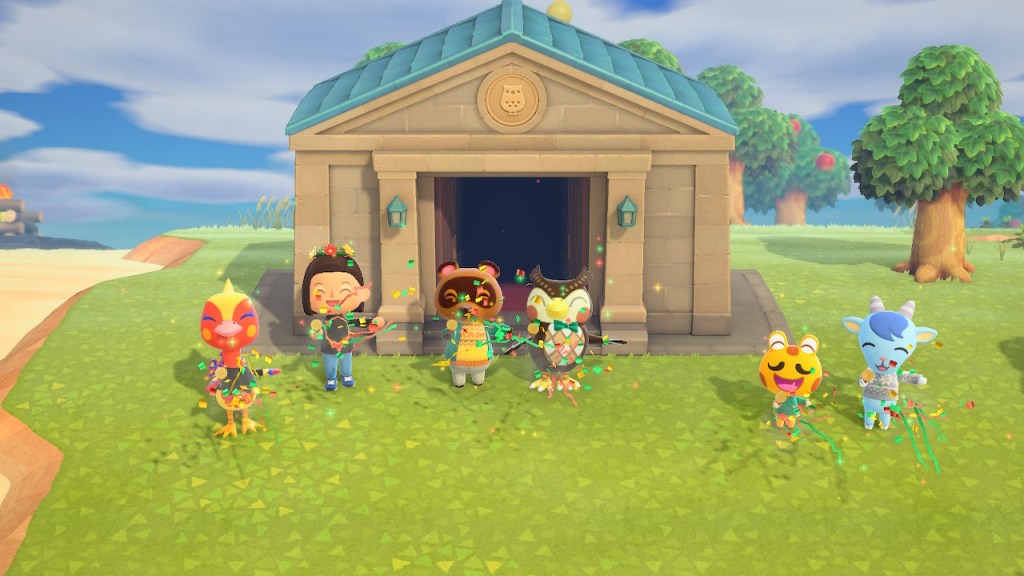
The members of my Island celebrating the opening of Blather’s New Museum

The player will find themselves doing various activities such as:

  • Fishing
  • Gardening
  • Catching Bugs
  • Chopping down trees (or not)
  • Building Houses and Property for various needs
  • Building Bridges
  • Mining Rocks
  • Flying to other deserted islands for resource gathering
  • Paying off Copious amounts of In-Game Debt (Thanks Tom Nook!)
  • And much, much more.

One more important activity that can be done in Animal Crossing: New Horizons, is that players can utilise online play to visit each other’s Islands. It allows players to check out what each other have done in their time on the Island as well as trade items and even sell items from their own island for (potentially) a higher price.

These mechanics and activities are all important to someone playing Animal Crossing: New Horizons in this day because it allows them to experience the things that they can’t do while stuck inside their houses. People can fish for exotic creatures (and not so exotic ones such as rocks) and can even catch tropical creepy crawlies, such as Scorpions and Tarantula Spiders.

The possibility that people can visit each other keeps us all connected during these trying times. Sure we have the internet and social media but there isn’t anything quite like gathering a bunch of friends to adventure across your Island of hard-ship. This is certainly something you can’t do in real life, especially with all the governmental crackdowns on gatherings.

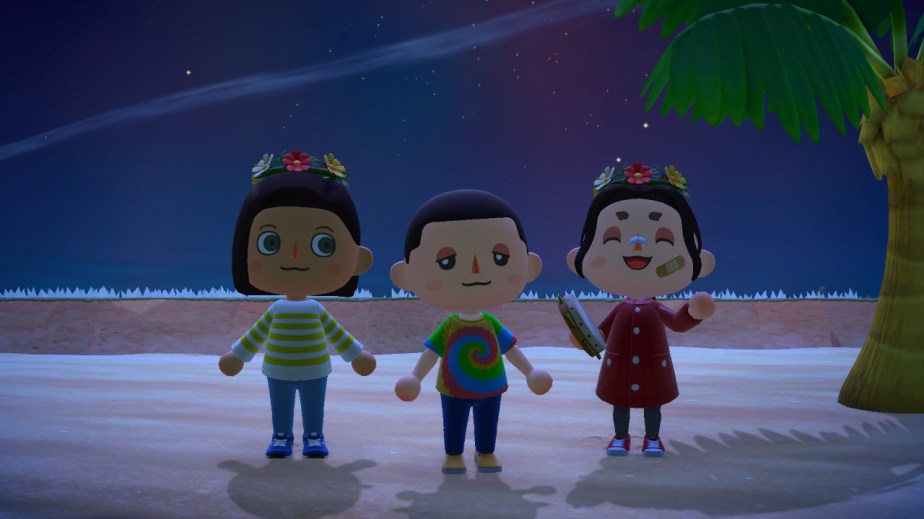
Myself and Two friends, enjoying our time at the Beach on my Island.

In this trying time, Animal Crossing has become our saving grace. Allowing us all to stay connected and somewhat productive in these trying times.

Thanks for reading!
– Nathan “Naff” Hibbert
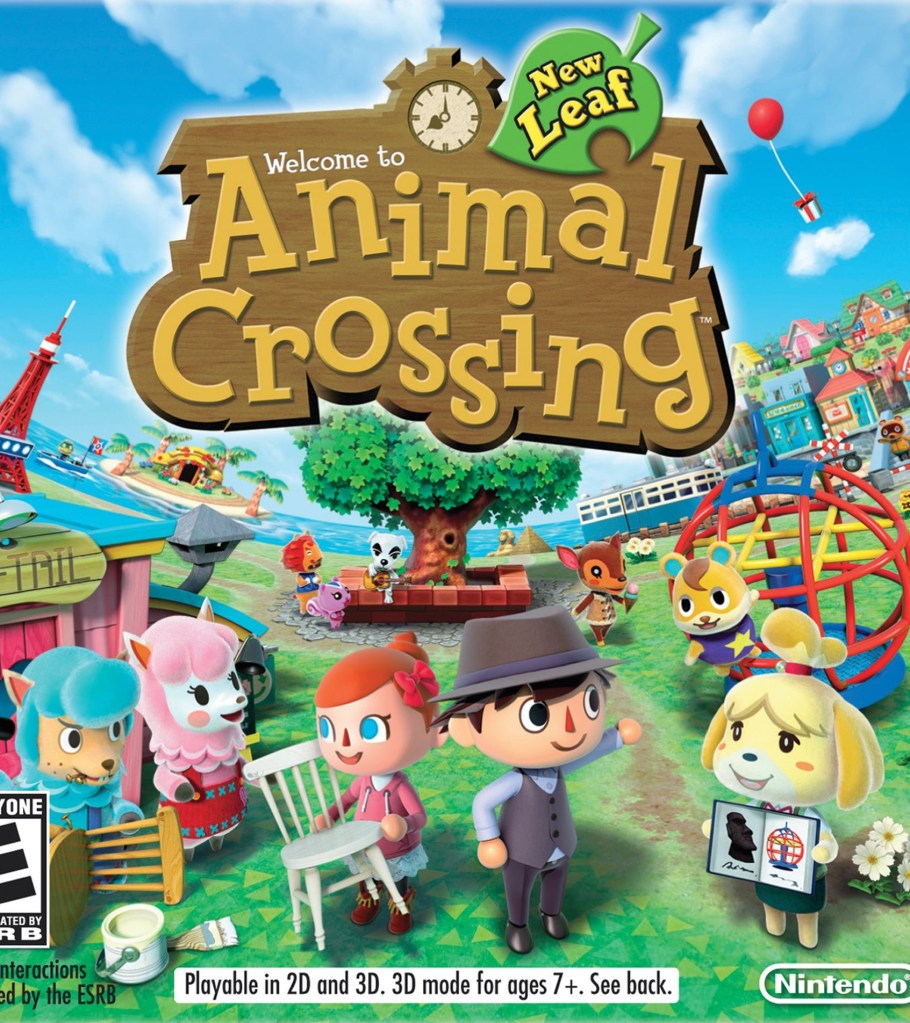
Was Animal Crossing: New Leaf a Mistake? A Response

Hello again! For this week’s first post I will be taking a look at a fellow blogger and colleague Mahalah or MoshiBoi (here’s a link to their Blog) and their response to an article titled “Revisiting Animal Crossing: New Leaf was a Mistake” by Kotaku writer ‘Narelle Ho Sang‘ , the original article can be found here.

I myself have never played an Animal Crossing game (a sin I know) but I have played a similar title in Stardew Valley and I am certainly looking forward to Animal Crossing: New Horizons‘ release in the coming weeks. I mention this as I need to state that I am not familiar with the game itself an it’s intricacies.

During my read of the MoshiBoi’s blog post, the title of the original article was quoted being about why Animal Crossing: New Leaf was a mistake. So my opinion on reading the blog was shaped by this misunderstanding and so I myself felt the article was a waste of time. I felt like the article more heavily talked about the problems with why returning to the game was a hard time due to NPC interactions heavily berating the player for leaving their beloved town.

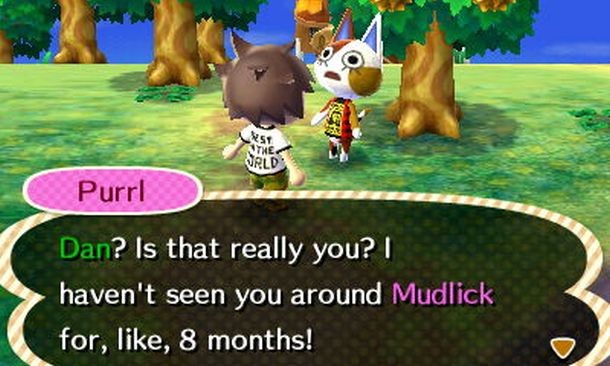
After reading the original article for myself however, I now see that it is a talk about the problems with revisiting the game itself after putting it down for a long period of time. As Narelle stated “The hours and calendar days pass in real-time. The seasons change…”, the whole time they weren’t playing the Town continued to grow and NPCs grew tired of missing the player, who is the Mayor in this game.

Animal Crossing: New Leaf NPC – Purrl stating how long the player has put the game down

Going back to Moshiboi’s post, they go on to mention that the writer was immersed and clearly had fun while playing the game originally. While some of their planning and decorative decisions might be hard to look at, they at the time still enjoyed the game and did what they wanted to.

Both Blog and Article mention NPCs putting the player down for not playing the game for a while, Narelle stating “Each (NPC) laying on the guilt with emotional surgical preciseness—cutting me deep.” This goes to show the player’s attachment to these characters and the town they had made. This is the reason the NPCs talk in this way, to make the player feel bad and to get them to come back for a bit longer. Moshiboi, however, paints this as a severe and inappropriate “Guilt Trip” stating “I think getting guilt tripped by an NPC for not playing the game in a while is a bit much”. This is a fair statement as honestly these NPCs don’t know about the player’s attachment to the game or do they know about real-life events that might prevent play.

Moshiboi goes to say that since the game is mostly targeted at Children that a child hearing these statements from NPCs would make them want to come back even more so. This is because of the blurred line between Reality and Fiction that children are unable to discern.

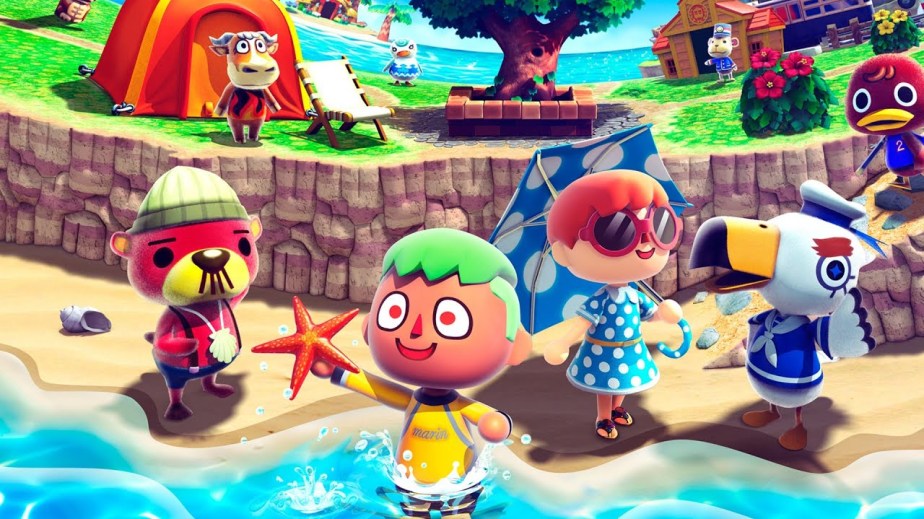
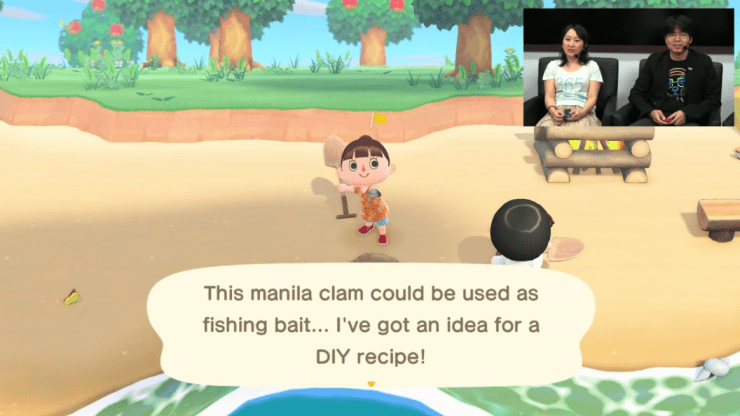
Screenshot of gameplay of Animal Crossing: New Horizons from the E3 2019 Nintendo Treehouse

My take away from both the Article and Blog is that you can look back at your past self’s decisions and either love it or hate it, but you can’t neglect the fact that people change. As both authors stated, they have spent hours upon hours making their town into their own vision. Placing things where they want and doing what they want at any given time, this lends itself to the notion that while immersed in such a free game they enter the ‘Magic Circle’. This term refers to the zone a player can fall into when deeply immersed in a game’s world. It seems both of these players did at one point or another. Simply put, originally, the players loved what they were doing.

Another thing is that people’s style and tastes change over time. What was appealing to you 5 years ago might not necessarily appeal to you now. As someone who played soccer for 16 years of his life I can tell you that now having not played for 2 years now I have little to no interest in the sport. People Change.

People change but they had fun originally!

That’s it for this post, again you can find the original article and Moshiboi’s response here:

“Revisiting Animal Crossing: New Leaf was a mistake” by Natelle Ho Sang – Kotaku

“Week 3: Response to why New Leaf was a mistake” by Mahalah/Moshiboi

I myself will be back later this week to talk about Subjectivity in gaming, I hope to push out an interesting read.

Thanks for reading!
– Nathan “Naff” Hibbert